

Dyslexia & Literacy Support
Telehealth speech and language therapy for children with dyslexia and reading challenges across Florida and Texas.
Your child is bright, curious, and full of ideas — but reading feels like a constant struggle. Maybe they guess at words instead of sounding them out. Maybe spelling tests end in tears, or homework that should take ten minutes takes an hour. You might be hearing "they'll catch up" or "they just need to try harder." But you know your child is trying. Reading difficulties are common, and they're not a sign that your child isn't smart. Many are rooted in how the brain processes the sounds and structure of language — and that's exactly where speech-language therapy can help.
What Is Dyslexia?
Dyslexia is a common, language-based learning difference that affects reading, spelling, and sometimes writing. Children with dyslexia often have difficulty connecting letters to the sounds they represent, which makes decoding (sounding out words) and spelling challenging.
Dyslexia has nothing to do with intelligence. Many children with dyslexia are strong thinkers, problem-solvers, and storytellers. Their brains simply process written language differently.
Not every child who struggles with reading has dyslexia. Reading difficulties can also come from weaker vocabulary, trouble understanding sentences, or challenges with written expression. A careful evaluation helps clarify what's behind your child's struggles — so support targets the right skills.
How Speech and Language Connect to Reading
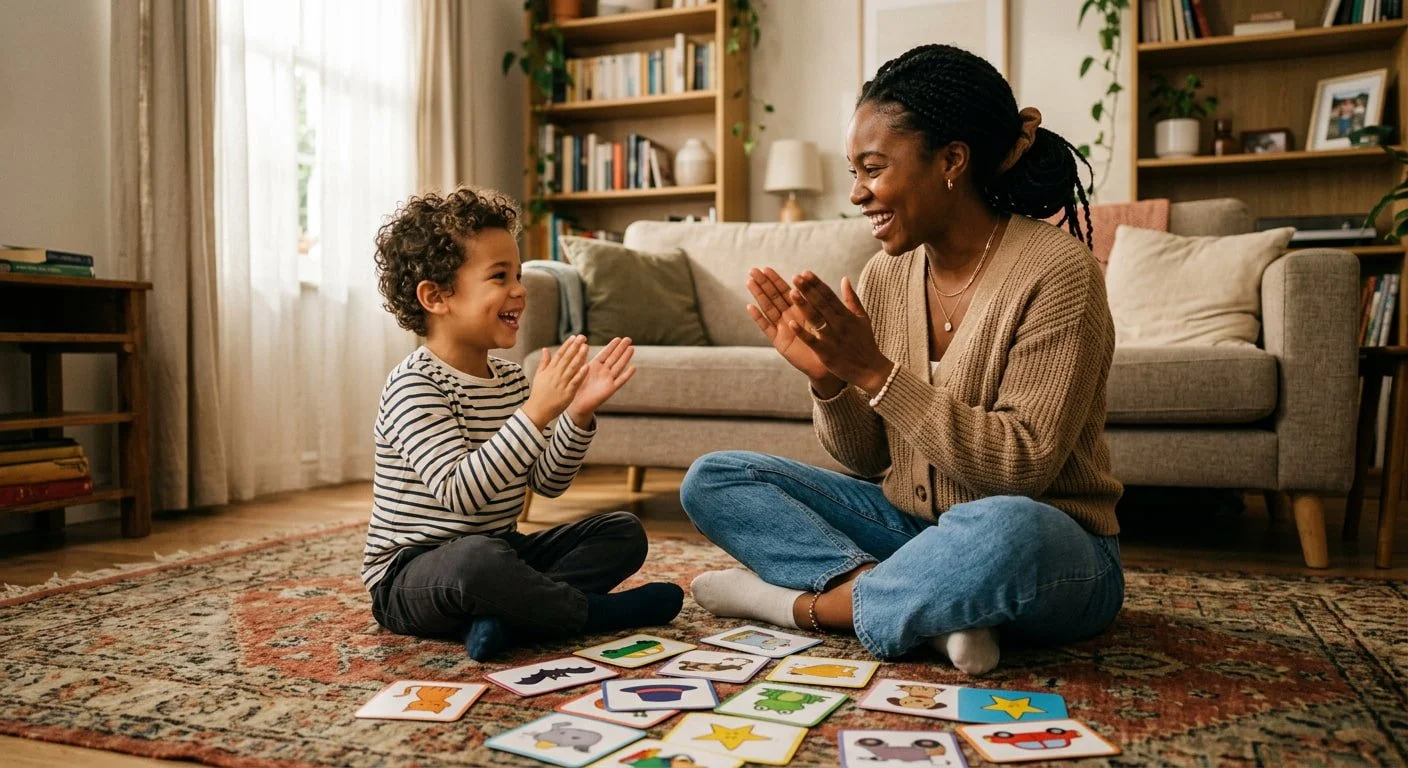
Reading is built on spoken language. Before children can read words, they need to hear and play with the sounds inside words — a skill called phonological awareness. They need to know that "cat" has three sounds, that "cat" and "hat" rhyme, and that changing one sound makes a new word.
Children who had speech or language delays when they were younger are more likely to have reading difficulties later. That's because the same skills that support talking — hearing sounds clearly, building vocabulary, understanding sentences — also support reading and writing.
This is why speech-language pathologists play an important role in literacy. We work on the underlying language skills that make reading, spelling, and writing possible.
Signs of Dyslexia and Reading Difficulties
Preschool (ages 3–5): Trouble learning letter names and sounds, difficulty with rhyming, trouble remembering nursery rhymes or songs, or a history of speech delays.
Kindergarten and first grade: Difficulty sounding out simple words, mixing up letter sounds, guessing at words based on pictures or the first letter, or avoiding reading activities.
Second grade and up: Slow, effortful reading, frequent spelling errors (even on familiar words), trouble remembering sight words, difficulty understanding what was read, or writing that doesn't match how well your child expresses ideas out loud.
At any age: Frustration, avoidance, or anxiety around reading and homework. A family history of dyslexia or reading difficulties is also an important clue.
Trust your instincts. If reading is a constant struggle despite effort, an evaluation can help you understand why — and what will help.

What a Literacy Evaluation Looks Like
A speech-language and literacy evaluation looks at the skills underneath reading: phonological awareness, letter-sound knowledge, decoding, spelling, vocabulary, understanding of language, and written expression.
Much of it feels like games and activities, so your child stays comfortable. You'll also share your child's history — early speech and language development, school concerns, and any family history of reading difficulties.
After the evaluation, you'll receive a written report explaining your child's strengths, the specific skills that need support, and recommended next steps. A speech-language pathologist can identify language-based reading difficulties and characteristics of dyslexia, but a formal dyslexia diagnosis typically comes from a psychologist or educational diagnostician. Your child doesn't need a formal diagnosis to start therapy.
How Speech Therapy Supports Reading and Spelling
Therapy is individualized to your child's evaluation results and focuses on the specific skills holding them back. Depending on your child's needs, therapy may target:
Phonological awareness — hearing, blending, and breaking apart sounds in words.
Phonics and decoding — connecting letters and sounds to read words accurately.
Spelling — understanding sound patterns and spelling rules instead of memorizing word lists.
Vocabulary and comprehension — understanding what words and sentences mean, so reading makes sense.
Written expression — organizing ideas into clear sentences and paragraphs.
Instruction is explicit, structured, and multisensory, building skills step by step. Sessions stay engaging with games and activities, and progress is tracked so you can see how your child is growing.
How Telehealth Works for Literacy Support
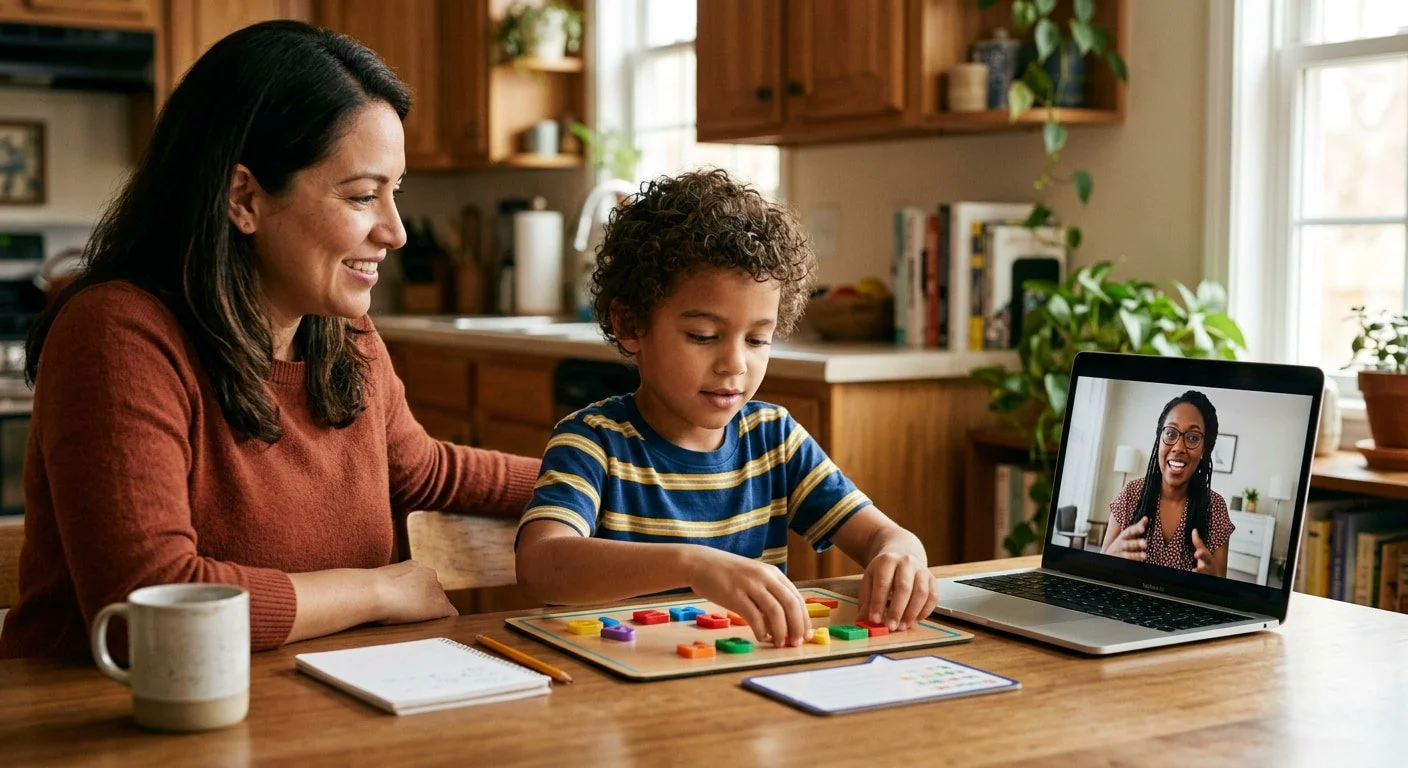
Telehealth works especially well for literacy therapy. Digital letter tiles, interactive games, and shared screens make reading and spelling practice engaging and hands-on. Your child works from home, at their own desk, without the stress of an unfamiliar setting.
You'll see exactly what your child is working on, so you can reinforce the same skills during homework and reading time. Flexible scheduling also makes it easier to fit sessions around school and activities.
At Oasis Speech, our licensed speech-language pathologist provides online literacy and language support for children across Florida and Texas. Not sure where to start? Book a free 15-minute consultation, and we'll talk through your concerns and next steps together.
Working with Your Child's School
Many children with reading difficulties also receive support at school. We're happy to work alongside your child's school team. With your permission, we can share evaluation results and progress updates to help keep everyone working toward the same goals.
If you're navigating a 504 plan or IEP, our evaluation report can give you clear information about your child's language and literacy needs to bring to those conversations.

What You Can Do at Home
Read together every day. Take turns reading, or read aloud to your child. Hearing fluent reading builds vocabulary and a love of stories — even when reading on their own is hard.
Play with sounds. Rhyming games, "I spy something that starts with /b/," and clapping syllables all build the sound skills that support reading.
Focus on effort, not speed. Praise your child for working through tricky words. Confidence matters as much as skills.
Use audiobooks. Listening to books lets your child enjoy stories and learn new words while their reading skills catch up.
Keep homework calm and short. Short, focused practice works better than long, frustrating sessions.