

Dysarthria
Speech is slurred or mumbled, but clarity can return. Telehealth therapy rebuilds speech strength and confidence — from home.
Your loved one had a stroke. Or they're living with Parkinson's disease. Or a brain injury. And now their speech has changed. They're understood, but their words sound slurred, slow, or mumbled. People ask them to repeat. They get tired speaking. They sound nothing like themselves.
This is dysarthria — a speech disorder caused by muscle weakness or coordination problems that affect the physical production of speech.
Here's the hope: Dysarthria is highly treatable. With targeted speech therapy — especially telehealth, which removes barriers to frequent sessions — many people with dysarthria significantly improve their speech clarity, volume, and endurance. Early intervention produces the best outcomes.

What is Dysarthria?
Dysarthria is a speech disorder resulting from weakness, paralysis, or incoordination of the muscles used for speaking. The person knows what they want to say, but their mouth, lips, tongue, or vocal cords aren't working properly.
Unlike aphasia (a language disorder), dysarthria doesn't affect language ability — it affects the motor control needed to produce speech.
Dysarthria can sound like:
Slurred speech — Words sound mumbled or unclear, as if the person has a thick tongue.
Slow speech — Speaking much more slowly than normal, sometimes one word at a time.
Nasal speech — Air escapes through the nose, making speech sound like someone has a cold.
Quiet speech — Speaking too softly to hear, with weak volume.
Hoarse or rough voice — Voice sounds strained or breathy.
Irregular rhythm — Uneven pacing, with unpredictable pauses or rushes.
Speech fatigue — Speech becomes harder and less clear as the person talks, getting worse throughout the day.
Difficulty with certain sounds — Particular consonants (especially those requiring precise tongue or lip positioning) are hardest to produce.

Red Flags: Signs of Dysarthria
Warning signs:
Sudden or progressive change in speech clarity
Slurred or mumbled speech
Difficulty being understood by unfamiliar listeners
Speaking too quietly or too loudly (volume control difficulty)
Hoarse, nasal, or strained voice quality
Irregular speech rhythm or pacing
Speech becoming worse as the person talks (fatigue)
Difficulty with specific sounds (especially consonants)
Difficulty chewing or swallowing (often co-occurs with dysarthria)
Drooling
Changes in facial expression or lip movement
Seek professional evaluation if: Speech changes happen suddenly (possible stroke) or gradually worsen (progressive neurological disease).
Why Does Dysarthria Happen?
Dysarthria results from damage to or disease of the nervous system areas that control speech muscles:
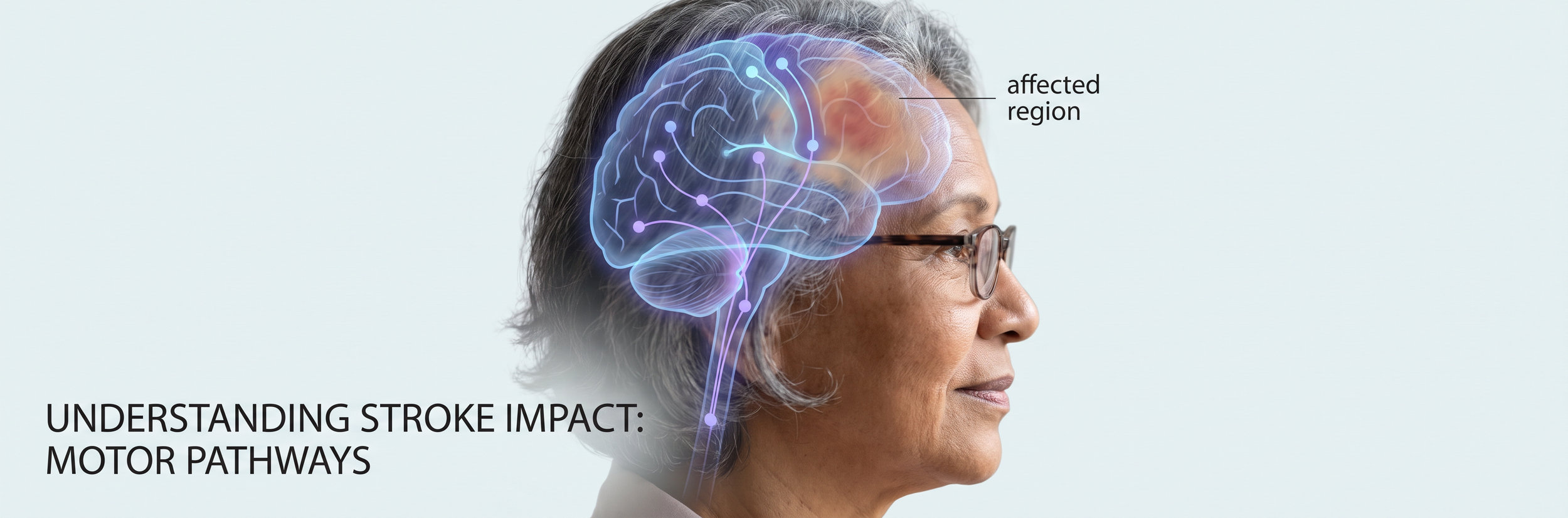
Stroke — Most common cause. Blood flow interruption damages motor areas controlling speech muscles.
Parkinson's disease — Progressive neurological disease affecting motor control, causing weak, quiet, rushed speech.
Traumatic brain injury — Damage to motor areas or nerve pathways affects muscle control.
Cerebral palsy — Lifelong condition affecting motor control; can persist into adulthood.
Multiple sclerosis — Progressive disease damaging nerve fibers controlling muscles.
Amyotrophic lateral sclerosis (ALS) — Progressive disease destroying motor neurons, weakening speech muscles.
Ataxia — Cerebellar damage affecting coordination and muscle timing.
Bell's palsy or facial nerve damage — Affects facial muscle control needed for clear speech.
Brain tumor or cancer treatment — Tumor or radiation damage affects motor areas.
Other neurological conditions — Huntington's disease, dystonia, myasthenia gravis, and others.
The severity depends on which muscles are affected, how severely, and whether the condition is stable or progressive.
How Telehealth Speech Therapy Helps
Telehealth is highly effective for dysarthria because:
Frequent, intensive therapy is possible. Dysarthria responds best to frequent practice. Telehealth removes transportation barriers, making 2-3 sessions per week feasible for many people.
Real communication is practiced. Rather than isolated sound drills, therapy focuses on functional communication: having conversations, speaking on the phone, participating in group discussions.
Therapist sees natural speech patterns. On video, your loved one communicates at home, revealing true challenges and abilities. This gives a clearer picture than clinic-based testing.
Family involvement is natural. Family members learn how to communicate effectively with your loved one, reducing frustration for everyone.
Compensatory strategies are taught. Therapists teach practical techniques: speaking slower, taking bigger breaths, exaggerating articulation, using gestures or writing to supplement speech.
Assistive technology can be explored. For severe dysarthria, telehealth therapists can recommend speech-to-text apps or augmentative and alternative communication (AAC) devices.
Consistent support during progression. For progressive conditions, ongoing telehealth therapy provides consistent support as needs change.
Most people with dysarthria see improvement in speech clarity within 4-8 weeks of consistent therapy. For progressive conditions, therapy helps maintain function and quality of life.

What You Can Do Right Now
While pursuing professional speech therapy:
Listen patiently. Don't rush. Give your loved one time to speak without interruption.
Ask for clarification respectfully. If you don't understand, ask: "Can you say that again?" rather than pretending to understand.
Reduce background noise. Have conversations in quiet environments. Turn off TV and background noise.
Face the speaker. Watching lips and facial expressions helps understanding.
Don't speak for them. Let them finish their own thoughts, even if it takes time.
Use gestures and writing. If speech is very unclear, writing or gestures can supplement.
Encourage slow, deliberate speech. Suggest: "Take your time" or "Slow down a bit" — this often improves clarity naturally.
Praise effort. Speaking with dysarthria is hard work. Acknowledge the effort.
Include them in conversations. Don't talk about them while they're present. Keep them engaged.
Don't correct constantly. Focus on understanding meaning, not perfect pronunciation.
The Bottom Line
Dysarthria is a treatable speech disorder. With targeted therapy — especially frequent telehealth sessions — speech clarity, volume, and endurance improve significantly. Your loved one can regain communication confidence and quality of life.
Ready to Get Answers?
At Oasis Speech, we work with adults experiencing dysarthria from stroke, Parkinson's, and brain injury via telehealth and help restore speech clarity and communication strength — all from the comfort of your home. We complete evaluations within one week and work with families throughout Florida and Texas via secure video sessions. No waiting lists. No commute. No guesswork.
Your loved one will work with Sahar Owais, MS, CCC-SLP, a licensed speech-language pathologist with extensive experience helping adults improve speech clarity and communication confidence. Sessions are evidence-based, intensive, and tailored to your loved one's specific needs and goals. You'll be right there, coached live on how to support speech improvement every day through articulation practice, breathing techniques, and strategies that rebuild speech strength and clarity in real-world conversations.