

Voice disorders
Your voice matters. Whether hoarse, strained, or tired, telehealth speech therapy restores voice strength and confidence — from home.
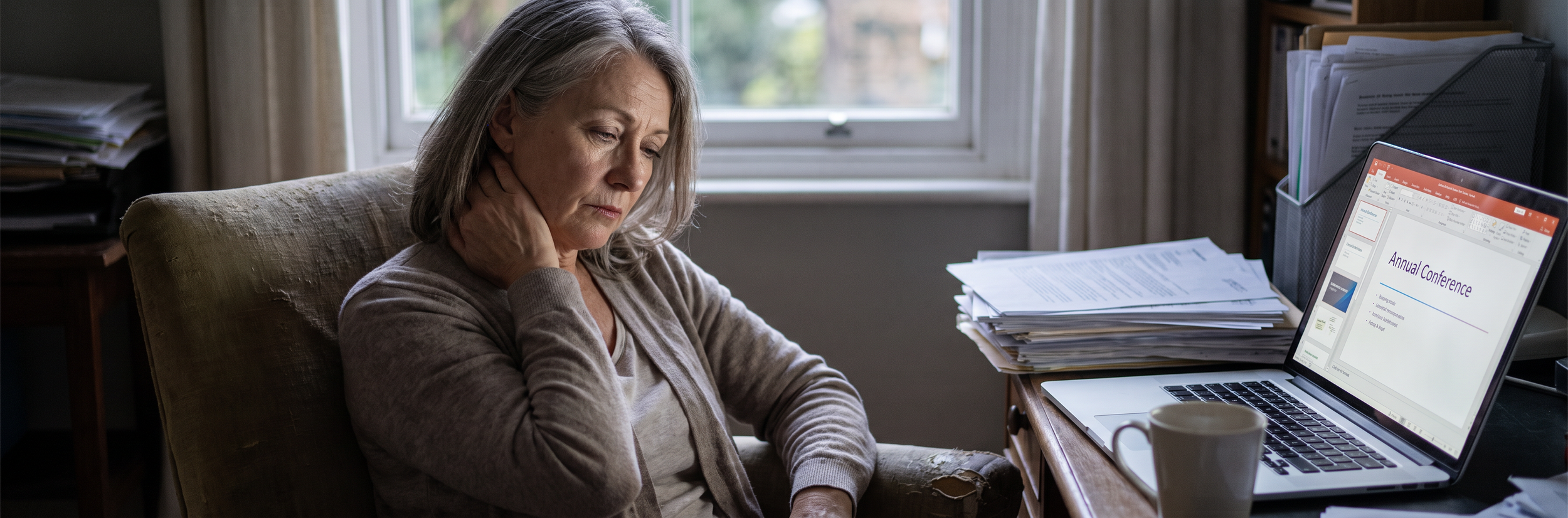
Your voice has changed. It's hoarse, rough, or strained. Maybe you've been a teacher, singer, or public speaker your whole life, and suddenly your voice isn't holding up. Or maybe the hoarseness came after a cold and never went away. You sound tired all the time, even when you're not.
Voice disorders are common in adults — and often preventable and treatable. Telehealth speech therapy makes it easy to get expert voice coaching from home, rebuilding a strong, healthy voice.
What is a Voice Disorder?
A voice disorder is when voice quality, pitch, or loudness changes or causes discomfort.
Voice disorders in adults can sound like:
Hoarseness or roughness — Gravelly, scratchy quality Breathiness — Weak voice with air escaping Strain or tension — Working hard to produce voice Loss of range — Can't reach high or low notes (important for singers) Pitch problems — Voice too high, too low, or unstable Loudness issues — Can't speak loudly enough or always yelling Vocal fatigue — Voice gets worse throughout the day
Red Flags: When to Seek Help
Hoarseness lasting 2+ weeks
Voice that sounds different from baseline
Pain or discomfort when speaking or swallowing
Frequent voice loss
Voice fatigue throughout the day
Can't meet professional voice demands (teaching, performing, public speaking)
Other people commenting on voice change
Sudden voice change after illness
Why Voice Disorders Happen in Adults
Vocal abuse or overuse — Excessive talking, yelling, or shouting (teachers, coaches, performers)
Smoking — Irritates vocal cords, causes chronic hoarseness
Alcohol use — Irritates throat and vocal cords
Acid reflux — Stomach acid irritates vocal cords
Allergies or post-nasal drip — Irritates vocal folds
Tension and stress — Muscle tension restricts voice production
Aging — Natural changes in vocal cord tissue over time
Vocal nodules or polyps — Benign growths from voice abuse
Neurological conditions — Parkinson's, stroke, or other conditions affecting voice
Hormonal changes — Menopause can affect voice quality
Cancer treatment — Surgery or radiation affecting voice structures

How Telehealth Speech Therapy Helps
Telehealth is highly effective for voice disorders because:
Behavior change is the focus. Most voice disorders improve through changing how you use your voice — and that happens at home, during real-life moments.
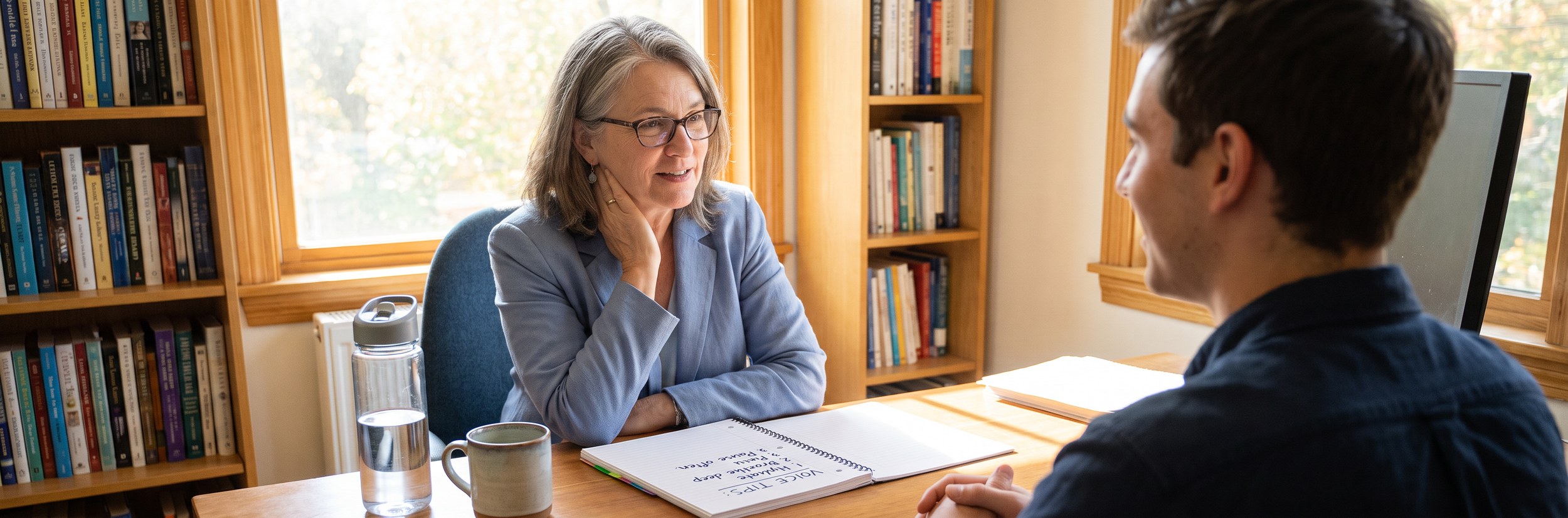
Parent coaching is key. Your therapist shows you proper breathing, relaxation techniques, and healthy voice use. You practice throughout the day.
Reduced anxiety. Clinic visits can feel clinical and stressful. At home, via video, you're relaxed — which actually improves voice production.
Consistent support. Regular telehealth sessions without travel barriers mean better consistency and faster improvement.
Most adults see significant improvement within 4–8 weeks of consistent voice therapy.
What You Can Do Right Now
Reduce voice strain. Limit yelling, excessive talking, or whispering.
Stay hydrated. Drink water throughout the day to keep vocal cords lubricated.
Manage reflux. If you have acid reflux, address it — it's a major voice irritant.
Reduce stress. Tension makes voice worse. Practice relaxation techniques.
Avoid smoking and secondhand smoke. Smoke irritates vocal cords severely.
Warm up before speaking. If you speak professionally, warm up your voice gently.
Don't force your voice. If hoarse, use quiet voice and let it rest.
Avoid harsh coughing. Cough gently to protect vocal cords.
The Bottom Line
Voice disorders are treatable. Early intervention prevents permanent vocal cord damage. Telehealth speech therapy puts expert voice coaching directly into your home, helping you rebuild a strong, healthy voice.
Ready to Get Answers?
At Oasis Speech, we work with adults experiencing voice disorders from vocal overuse, strain, and health conditions via telehealth and help restore voice strength and clarity — all from the comfort of your home. We complete evaluations within one week and work with families throughout Florida and Texas via secure video sessions. No waiting lists. No commute. No guesswork.
You will work with Sahar Owais, MS, CCC-SLP, a licensed speech-language pathologist with extensive experience helping adults restore voice quality and develop healthy vocal habits. Sessions are evidence-based, practical, and tailored to your specific needs and professional voice demands. You'll be coached live on how to support voice recovery every day through proper breathing techniques, vocal rest strategies, and voice-use modifications that restore strength and clarity in your daily work and personal life.