Lisp Speech Therapy for Children and Adults
Help for a frontal lispa lateral lispa slushy Sa lisp in adults
A lisp is a speech sound difference that most often affects the S and Z sounds. Speech therapy for a lisp teaches a new tongue placement and builds it into everyday talking. Oasis Speech offers one-on-one online lisp therapy for children, teens and adults in Texas and Florida.
Evening and weekend therapy appointments available
“Not only did she help our son make amazing progress with his speech, but she also provided our family with great support and strategies to practice at home.”
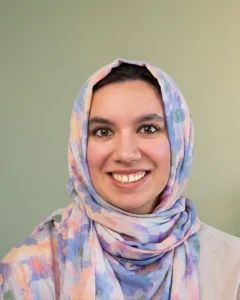
Your therapist
Sherry Owais, M.A., CCC-SLPLicensed speech-language pathologist in Texas and Florida.On this page
Key points
Lisp Speech Therapy, in Brief
- A lisp is a speech sound difference that most often affects the S and Z sounds.
- It has nothing to do with intelligence, and it can be treated at any age.
- A frontal lisp may resolve on its own by about age 5. A lateral (slushy) lisp is worth an evaluation at any age.
- Speech therapy for a lisp teaches a new tongue placement and builds it into everyday talking.
- One-on-one online lisp therapy for children, teens and adults in Texas and Florida.
The basics
What Is a Lisp?
A lisp happens when the tongue is in the wrong place for sounds like S and Z, so the sound comes out as a “th” or sounds slushy.
A lisp is a type of speech sound disorder. It has nothing to do with intelligence, and it can be treated at any age.
Four types
Types of Lisps: Frontal, Lateral, Dentalized and Palatal
Which one sounds like it? Tap one.
“sun” → “thun”
Frontal lisp (interdental lisp)
The tongue pushes forward between the front teeth, so “sun” sounds like “thun.” This is the most common type. It is often part of typical development in young children and may resolve on its own by about age 5.
Often part of typical development in young children. May resolve on its own by about age 5.
wet or slushy S
Lateral lisp
Air escapes over the sides of the tongue, which makes S and Z sound wet or slushy. A lateral lisp is not part of typical speech development, so an evaluation is recommended at any age.
Not part of typical speech development. An evaluation is recommended at any age.
muffled S
Dentalized lisp
The tongue presses against the back of the front teeth, which muffles the sound.
S from the roof
Palatal lisp
The middle of the tongue touches the roof of the mouth during S and Z.
Why it happens
What Causes a Lisp?
Most lisps are learned patterns: the tongue simply settled into a different placement while speech was developing.
What causes a lisp in adults?
A sudden change in speech should be checked by a doctor right away.
Signs to watch
When Should a Child With a Lisp See a Speech Therapist?
Tick anything that sounds familiar.
Any one of these is a good reason to ask.
Book Free ConsultationStep by step
How to Correct a Lisp With Speech Therapy
- EvaluationWe identify the type of lisp and which sounds are affected.
- Learn the new placementWe teach where the tongue goes and how the air should flow, using a mirror, the camera and clear models.
- Build up step by stepThe sound is practiced alone, then in syllables, words, phrases and sentences.
- Carry it into conversationWe practice in real talking until the new sound is automatic.
- Short daily practiceFive to ten minutes a day at home makes the biggest difference.
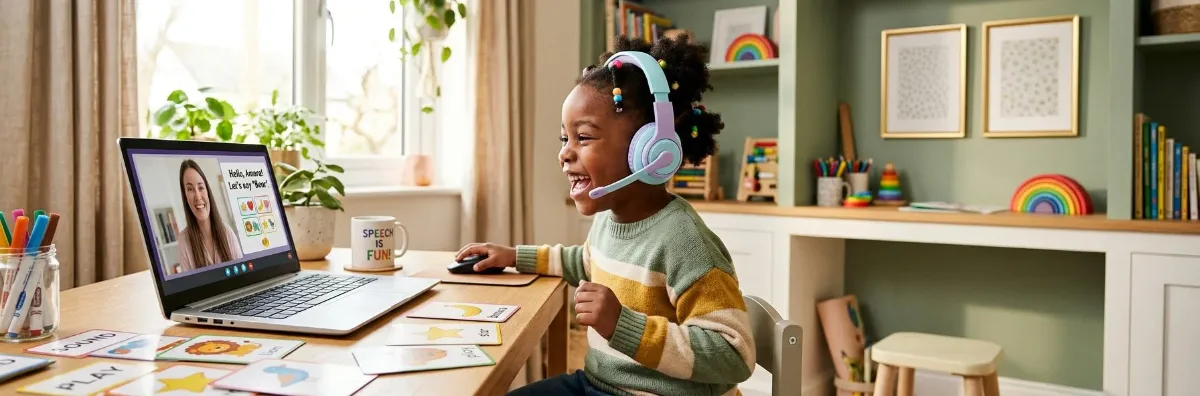
Online sessions work well for lisp therapy because the camera gives a close view of the mouth, and practice happens in the place where you talk every day.
Adults
Lisp Speech Therapy for Adults
Adults can change a lisp.
Because an adult is motivated and practices on purpose, progress is often steady. Sessions are private, online and scheduled around work, including weekday evenings.
Insurance and cost
Lisp Therapy Cost and Insurance
Some insurance plans cover articulation therapy. Tap your state to see the plans we accept.
In Texas

 Including HealthSelect

 Traditional Texas Medicaid



Medicaid plans vary by county. Check yours with our Texas Medicaid and CHIP plan checker, or see insurance details →
In Florida
 Including Dual Complete
 Step Up For Students
We aren’t in network with Florida Medicaid or Florida KidCare plans right now. We accept HSA/FSA funds and provide superbills for out-of-network reimbursement. See insurance details →
No insurance, or out of network? Self-pay is $250 for an evaluation and $85 per 25 to 30 minute session. See pricing and insurance or our guide, Does insurance cover speech therapy?
Getting started
How to Start Lisp Therapy
- Free consultationA free 15-minute call. Tell us what you are noticing, and ask anything.
- EvaluationA licensed speech-language pathologist finds out what is going on and writes a plan.
- Sessions at homeLive 25 to 30 minute video sessions, at a time that fits your week.
We complete evaluations within one week. No waiting lists.
Google reviews
What families say
Ms. Sherry is so amazing. I was skeptical at first of doing virtual therapy but it has helped my little one so much. He has said many new words with Ms. Sherry’s help. We look forward to each session ☺️
Oasis speech did an amazing job with scheduling and communication for my sons sessions. … she was so patient with him and really had him engaged. thanks oasis speech!
Very professional and helpful with my case and situation
We cannot thank Mrs. Sherry Owais enough for the incredible impact she had on our son. From day one, she created a welcoming and supportive environment that instantly put him at ease. She is highly knowledgeable, patient, and truly cares about her patients. Not only did she help our son make amazing progress with his speech, but she also provided our family with great support and strategies to practice at home. We highly recommend her services to anyone seeking speech therapy!
Questions families ask
Lisp FAQ
What is a lisp?
A lisp happens when the tongue is in the wrong place for sounds like S and Z, so the sound comes out as a “th” or sounds slushy. A lisp is a type of speech sound disorder. It has nothing to do with intelligence, and it can be treated at any age.
What is a lateral lisp?
Air escapes over the sides of the tongue, which makes S and Z sound wet or slushy. A lateral lisp is not part of typical speech development, so an evaluation is recommended at any age.
What is a frontal lisp?
A frontal lisp is also called an interdental lisp. The tongue pushes forward between the front teeth, so “sun” sounds like “thun.” This is the most common type. It is often part of typical development in young children and may resolve on its own by about age 5.
Can you get rid of a lisp?
Yes. With speech therapy and regular practice, most children and adults can learn a clear S and Z.
How do you stop a lisp?
A speech-language pathologist teaches the correct tongue placement and airflow, then builds the new sound from single sounds up to conversation.
At what age should a lisp be treated?
A frontal lisp that continues past age 5, or a lateral lisp at any age, is worth an evaluation.
Can adults fix a lisp?
Yes. Adults can change a lisp at any age with therapy and practice.
What words are hard to say with a lisp?
Words with S and Z are hardest, especially words with several of them, such as “sixth,” “scissors” and “Mississippi.”
How long does lisp therapy take?
It varies with the type of lisp and how much you practice. Your evaluation includes a recommended plan.
Can lisp therapy be done online?
Yes. The therapist can see and hear the sound clearly on video.
Every Voice Deserves to Be Heard
Book a free 15-minute consultation with a licensed speech-language pathologist. No obligation.